

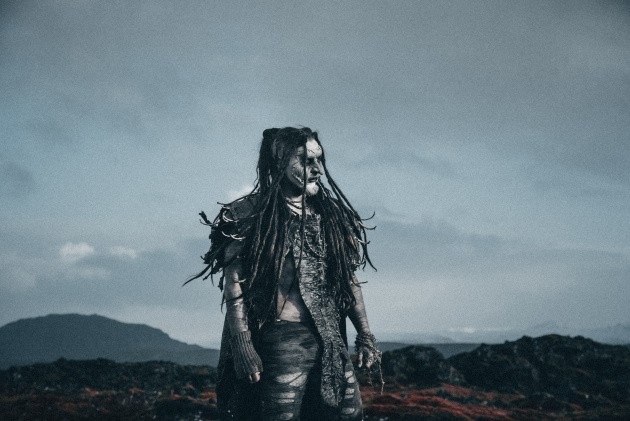
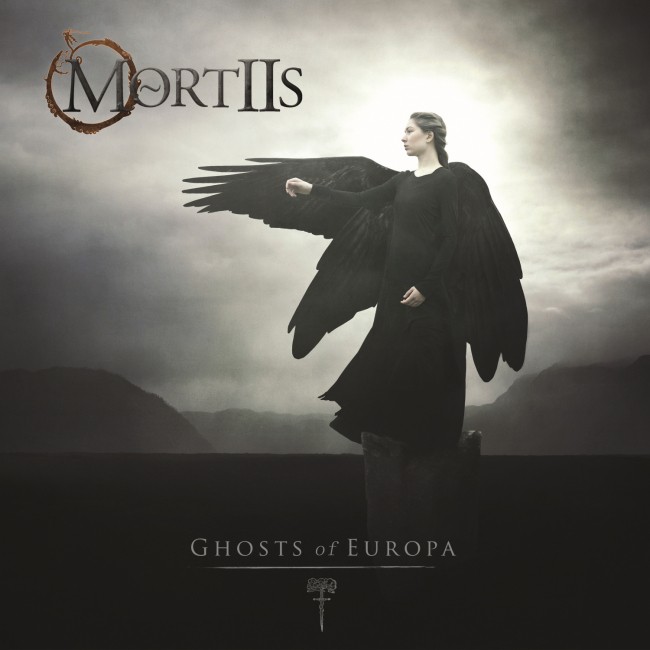
When Mortiis changed his entire musical direction with “Stargate” and “The Smell of Rain”, it was obvious that the wizard found a muse in industrial rock and dark music and effortlessly abandoned his old traits. Nevertheless, “Ghosts of Europa” shines through captivating electronic vibes, and this is the least you could expect from this renowned artist.
The album features a wide list of guest musicians and vocalists: Iliana Tsakiraki (Enemy of Reality, SepticFlesh), Laurie Ann Haus (Todesbonden), Sarah Jezebel Deva (ex-Cradle of Filth, The Kovenant), Christopher Rakkestad (Elvarhøi, Bolverk), Thorsten Quaeschning (Tangerine Dream), and Christopher Amott and Emil Nikolaisen.
The title track “Ghosts of Europa” subtly mixes electronic music and industrial rock; the catchiness of Iliana Tsakiraki and Laurie Ann Haus vocals and the modern synth lines gradually shimmer with ethereal beauty. The drums and bass electronica are at the forefront of this song, resulting in euphoric, lush synthpop beats that are rather impressive.
The Norwegian innovator plays around with genres by mixing the elegance and the softness of darkwave music with cinematic swells and letting the synth to paint a beautiful sonic canvas in the following track “Return to the Old Fields”, before the choral vocals offer an ode to melancholy and add an extra layer which could be compared to neo-folk and thus unveiling an artistic touch in the form of electronic fragments.
“The Faith that Fades Away” expands the grey, cold theme of the album, as you can clearly hear the guitar effects and pounding percussion that punch harder. The synth-based electronica shifts between industrial metal and gloomy synth textures; the role of guest female vocals is pivotal in the album. The music is infectious, and moments are brimming with musical hooks and catharsis infused with electronic drum beats, guitars, and emotional vocal textures before the synth spellbinds your ears with a thrilling experience.
“Violent Silence” balances dark gothic soundscapes with highly accessible industrial arrangements. The percussion barrage is the driving soul for the music, but it also reflects the style of neoclassical darkwave and synthpop bands like Depeche Mode.
Another melancholic musical piece that bears these sensible elements is featured on “Transcending Morpheus”, which is a perfect balance between the ritualist vocals of Iliana Tsakiraki and Laurie Ann Haus. This track offers a cascading rhythm; vocals are repeated endlessly to achieve a cinematic quality without losing momentum, and there are also minimal electro and industrial touches midway through the song.
“Tundra, Heart of Hell” is a perfect example of paying respect to the likes of Depeche Mode and Sisters of Mercy. The nocturnal sensibility is bathed in ornate synth and heavy guitars; the fantastic upbeat twist is rather unpredictable, as the guitars are pushed to the forefront on this track, every second drawing your ears into reverb-heavy guitar, while the steady bass line and percussion keep the rhythm more gripping, drawing more on 80s gothic synthwave.
Mortiis has tapped into a majestic black-sable musical dimension on his eleventh studio album, offering memorable dance beats, melodies, choruses, and organic electro-industrial arrangements that collide into dancefloor frenzy.
The songs offer lasting synth atmospheres and nocturnal gothic pop, making the latest work so compelling, with tracks ranging from downtempo to upbeat and keeping the tune running at full pace. On tracks like “Tribes of Dystopia” (Edit), he excels at blending a unique Norsk Pagan flavor and choral passages that shine with an overabundance of menacing electronica and atmospheric synth hooks. The female vocals push the limits to expand the rhythm rather than using them as a musical climax.
The final track, “Farewell Romero”, closes the album with a soulful and emotional touch, but it also shows the ability to create some of Mortiis’ most essential work to date. The song conveys deep melancholia and packs strong lyrical moments through the gentle ebb and flow of its contrasting electronic elements.
Links






REVIEW SCORE
| 8.6 | The opening tracks of “The Ghosts of Europa” feel diverse and melancholic. At the same time, the rest of the songs are darker and driven, with magical synthesizers exploring the dark electronic taste of Mortiis’ style that has become known for. This is highly recommended for fans of Ulver, Depeche Mode, and Sisters of Mercy. |





Leave a Reply
Want to join the discussion?Feel free to contribute!